Table of Contents
- Why BTL WORKS?
- Clinic social media in 2026, the landscape
- How patients choose a clinic — the digital decision journey
- The BTL WORKS clinic journey
- Platform-by-platform strategies
- Content types and format selection
- Brand identity for clinics
- Surgeon character and personal branding
- Regulation, TDB, TTB, KVKK
- Measurement and analytics
- Common mistakes in clinic social media
- Conclusion
- Frequently asked questions
Social media is no longer optional for clinics. In 2026, patients in Türkiye almost always research a clinic online before making a decision — they search on Google, open the Instagram profile, visit the website, read reviews. Every touchpoint moves the decision forward. A clinic with a strong social media presence has an advantage in this journey; a clinic with a weak presence loses patients to competitors.
This guide covers every dimension of social media management for clinics and doctors in 2026, from platforms to content types, from regulation (TDB, TTB, KVKK) to measurement metrics, from surgeon character building to patient-story narration. Built as a reference for international clinics looking to grow with depth, not noise.
Why BTL WORKS for clinic social media management?
Conventional agency structures split strategy, content, and paid media across separate teams. The gaps between teams turn into tonal inconsistency and friction for the clinic. Patients sense it and pull back. BTL WORKS works as a boutique studio focused on healthcare. Four core principles in clinic social media management:
- Single source of strategy. Strategy, content, paid media, continuity — all flow from one integrated mind. Single point of contact for the clinic, one consistent brand voice.
- Regulation at the spine. Turkish Dental Association (TDB), Turkish Medical Association (TTB), Advertising Board, KVKK, every output passes through this filter. Regulation is the foundation, not a constraint.
- Healthcare specialization. Clinic social media is a distinct discipline. Surgeon voice, patient sensitivity, medical ethics — this language develops only inside a studio with deep healthcare focus.
- Istanbul × Dubai lens. Istanbul's clinical density + Dubai's international standards. Together, the two give clinics an integrated studio experience.
For methodology see methodology page, for philosophy philosophy, for founder Yunus Badeci bio. For broader digital marketing see the clinic digital marketing guide; for international patients, the health tourism marketing guide.
Clinic social media in 2026, the landscape
In 2026, clinic social media management is no longer a choice — it is a requirement. The following realities make this clear:
- The patient journey is now digital. A patient passes through an average of 5-7 digital touchpoints before selecting a clinic. The majority of these touchpoints happen on social media.
- Instagram appears prominently when the clinic name is searched. When a patient types the clinic's name into Google, the Instagram profile often appears before the website. The first impression forms on social media.
- Competitor clinics have gone digital. Clinics that were not in social media competition ten years ago now at least have an Instagram profile. A clinic without social media is digitally invisible.
- Mobile search dominance. Clinic name searches are 85%+ from mobile devices. Mobile experience has become a priority.
- The video era. The static post era is over. For clinics, Reels, short video, and story formats are the primary communication tools.
This landscape leads to two outcomes for clinics. First: social media is now default. Second: how it's done matters as much as whether it's done. Mediocre social media management creates a negative impression; well-managed clinic social media becomes the strongest engine of organic growth.
A clinic's social media is not a posting calendar, it is the sum of every digital impression the patient takes from the clinic.
How patients choose a clinic — the digital decision journey
The first thing to understand when building a clinic's social media strategy is how the patient makes the decision. The journey unfolds in six stages:
Stage 1, Emergence of need
The patient recognizes a need for treatment — dental pain, an aesthetic concern, an orthodontic issue, a dermatological complaint. Active search has not yet begun; the patient is only aware of the need.
Stage 2, Passive awareness
The patient begins consuming related content passively. They stop and watch a dental Reels on Instagram. Aesthetic clinic content drops into their TikTok feed and gets their attention. At this stage, algorithms start steering the patient toward clinic content.
Stage 3 — Active search
As the patient nears a decision, they switch to active search. They make searches like "dentist [city]", "aesthetic clinic [district]", "implant cost 2026" on Google. They start using hashtag and location searches on social media.
Stage 4, Comparison
The patient builds a shortlist of a few clinics. They inspect each Instagram profile. Content consistency, the doctor's tone, patient reviews, clinic atmosphere — all are compared. At this stage brand consistency becomes decisive.
Stage 5, Decision and communication
The patient selects one or two clinics and reaches out. WhatsApp, DM, phone, form — the response at each channel shapes the decision. The clinic that responds quickly, warmly, and professionally wins.
Stage 6, Appointment and after
Even after the appointment, the clinic's social media effect continues. The patient follows the clinic's Instagram during the treatment process, gathers information from content, maintains a relationship through return comments.
What does this journey mean for clinics?
Social media plays a different role at each stage of the journey. Awareness stages need recognition content; comparison stages need consistency and depth; decision stages need professional, fast communication. Strategy designed for one stage but not the others creates gaps. The clinic that wins is the one whose social media serves all six stages coherently.
The BTL WORKS clinic journey — six stages
For clinics, social media management is not a campaign, it is a continuously running system. BTL WORKS structures clinic engagements in six stages:
Clinic diagnosis and surgeon character analysis
Analysis of clinic type, target patient base, surgeon portfolio. Current state assessment of the clinic brand on social media.
Strategy and regulatory framework
Clinic brand voice established. TDB, TTB, Advertising Board, KVKK filters defined. Message frame and content clustering strategy built.
Platform-based content production
Instagram + TikTok + YouTube + LinkedIn. Monthly planned on-location shoots, editing, captions, surgeon character building. Custom production per platform.
Paid media and organic flow
Meta Ads (Instagram + Facebook) and TikTok Ads strategy. Organic content converted into paid creative. Targeted, regulation-filtered campaigns.
Patient communication and WhatsApp
DM management, WhatsApp Business setup, message-to-appointment conversion flow. Professional, warm, KVKK-compliant communication.
Measurement, reporting, and continuity
Qualified messages, appointment conversion, new patient count, brand recognition. Monthly transparent reporting, quarterly strategy review.
These six stages form a continuously running system for the clinic. The continuity page explains this logic in depth.
Platform-by-platform strategies — which platform for your clinic?
In 2026, the following primary social media platforms can be used by clinics. Each has a different role.
Instagram, the critical platform for clinics
Instagram is the strongest social media platform for clinics in Türkiye. The reasons:
- Visual-led. Clinic atmosphere, surgeon portraits, patient transformations — all require visual storytelling. Instagram is the natural home of this storytelling.
- Patient decision tool. Patients almost always inspect a clinic's Instagram profile before booking. Profile quality directly influences decisions.
- Local discovery. Location tags, hashtag searches, map-based clinic discovery, Instagram functions as a search engine for local clinics.
- Direct communication. Fast patient communication is possible through DM. Strengthened with WhatsApp Business integration.
- Reels power. Reels is one of the formats Instagram pushes hardest in its recommendation and discovery feeds; we recommend clinics keep Reels at 40-50% of their content mix. Reels is the strongest path to organic reach for clinics.
For clinics, content mix on Instagram distributes as follows:
- Reels: For new patient reach. 8-12 per month.
- Posts: For depth with existing followers. 15-20 per month.
- Stories: For daily touch. 30-40 per month.
- Ads: Targeted ad campaigns. Strategy-dependent.
TikTok — the rising platform
TikTok grew rapidly in Türkiye between 2024-2026. Strategic uses for clinics:
- Critical for aesthetic clinics. Younger patient base (18-35) is dense on TikTok. Aesthetic procedure content reaches organically stronger than even Instagram Reels.
- Medium for dentists. Dental content exists on TikTok but not as dense as Instagram. Should be added if targeting younger patients.
- Strong for dermatology. Skin care routines, dermatology explainers get high views on TikTok.
- Regulatory attention. TikTok's health content policies differ from Instagram. Platform rules must be checked before content goes live.
YouTube, long-term authority building
YouTube is the long-term authority-building channel for clinics. Advantages:
- Long video format — ideal for detailed educational content
- Integrated with organic search (Google ownership)
- High video durability, quality content gets watched for years
- Strong when combined with SEO — clinic YouTube videos surface for queries like "how is an implant done"
YouTube content production is more demanding than Instagram, but the returns are durable. A pace of 2-4 long-form videos per month is reasonable for a clinic.
LinkedIn and Facebook
LinkedIn: The platform for B2B and physician-to-physician relationships. Not a direct patient acquisition channel, but useful for clinician referrals, corporate identity reinforcement, indirect international patient acquisition in the health tourism segment, and physician education sharing.
Facebook: Low organic reach but: still active for the 40+ patient demographic, critical as an advertising channel through Meta Ads (Instagram + Facebook combined), and essential as a corporate presence, its absence signals "this clinic isn't serious" to some patients.
Content types and format selection
Content for clinics distributes across several formats, each playing a distinct role.
Reels and short video
The dominant format for new patient reach. Education-focused, fast-paced, single-message. Surgeon-led content significantly outperforms presenter-led content. Custom captions, regulation-filtered.
Posts and carousels
For depth with the existing audience. Educational carousels, surgeon perspective posts, behind-the-scenes content. The mid-funnel format that builds trust over time.
Stories and daily content
Daily touch. Clinic atmosphere, surgeon presence, patient feedback (with consent), Q&A. Lightweight but never careless.
Long video
YouTube and long Reels. Treatment explainers, surgeon narratives, patient journey documentation (with written consent). Drives organic search and builds long-term authority.
Photography
Real photography — clinic portraits, surgeon photography, equipment, team. Custom photography always outperforms stock. Patient images require written consent and strict regulatory compliance.
Brand identity for clinics
A clinic's brand is not just a logo. It is the sum of all impressions the patient takes from the clinic. Components:
- Visual identity, logo, color palette, typography, photography style
- Verbal identity — brand voice, tone, terminology, preferred phrases
- Surgeon character, the surgeon's identity is an integral part of the brand
- Patient experience — atmosphere encountered when entering the clinic
- Digital presence, website, social media, messaging tone
Brand consistency is the most-overlooked rule. If a patient takes different impressions from the clinic on different channels, brand building isn't working. Consistency must hold across: visual consistency, tonal consistency, message consistency, temporal consistency.
Surgeon character and personal branding
Surgeon character is the heart of clinic branding. Patients don't look for "a good place" — they look for "a good doctor". The surgeon's tone, expression, warmth, and the way they convey expertise, all reflect in the content. The surgeon is the central character of content production, not behind the curtain. But the surgeon's time is limited; content production is structured through monthly planned on-location shoots that require minimal surgeon intervention.
In single-surgeon clinics, surgeon personal branding and clinic brand are inseparable. In multi-surgeon clinics, the corporate brand sits in the foreground while each surgeon has individual depth.
Regulation — TDB, TTB, KVKK
Regulation in clinic social media is not a luxury, it is the spine.
TDB Promotion Guidelines (for dentists)
- Prohibitive language ("best", "guaranteed", "perfect") is forbidden
- Comparative advertising is forbidden
- Price advertising is forbidden
- Patient images require written consent
- Before/after photos have strict regulatory bounds
TTB Promotion Guidelines (for physicians)
Similar rules for physicians and clinics. Aesthetic clinics, dermatology, plastic surgery come under TTB guidelines. Particular attention to surgeon/specialty area promotion, treatment outcomes, patient story sharing.
Advertising Board decisions
The Advertising Board (under the Ministry of Commerce) supervises clinic advertising. Violations result in administrative fines and ad-suspension orders.
KVKK and patient data
Patient data flows through social media — DMs, comments, photos. Required: written consent for patient images, separate consent for marketing-purpose communication, data retention compliance with legal periods, deletion process for patient requests.
Regulation is not a constraint in clinic social media, it is the starting point.
Measurement and analytics
Success for clinics is measured by real metrics, not vanity. Real metrics: qualified messages, appointment conversion rate, new patient count, patient lifetime value (LTV), clinic-name organic search count, patient source distribution, Maps review count and average rating, referral flow rate.
Vanity metrics that mislead: follower count alone, like count alone, impression count alone, total click count. Reporting cadence: daily for ad performance, weekly for engagement, monthly for qualified messages and conversion, quarterly for strategy review.
Common mistakes in clinic social media
Patterns we see repeatedly:
- Prohibitive claims. "Best", "guaranteed", "perfect" — direct regulatory violations.
- Patient image without consent. Posting a recognizable patient without documented written consent.
- Aggressive price advertising. Direct price displays violate TDB/TTB rules.
- Volume over quality. Daily mediocre posts harm the clinic more than help.
- AI-generated content. AI captions sound artificial. Patients sense the difference.
- Surgeon character missing. Only treatment videos, no surgeon presence, the clinic feels "faceless".
- Fragmented agency structure. Strategy in one team, content in another, paid in a third — gaps and tonal drift between teams.
Crisis communication on clinic social media
Every clinic eventually faces a moment of public exposure. A negative review goes viral. A former patient posts a complaint that gathers traction. A misunderstood treatment outcome turns into a public claim. How the clinic responds in the first 24 hours shapes the next 24 months.
The principle is simple: silence is the enemy, but a fast wrong answer is worse than a slow right one. Clinics that disappear during a crisis appear to have something to hide. Clinics that respond defensively appear to have something to argue. The third path, transparent, empathetic, professional, requires preparation before the crisis arrives.
A clinic crisis protocol should define five elements before any storm hits:
- Spokesperson assignment. One person speaks publicly, never the front desk or a junior staff member. Usually the founding physician or the practice manager.
- Approval chain. Every public response passes through two pairs of eyes, the spokesperson and one clinical advisor, before it goes live.
- Reply window. First public acknowledgement within 4 hours. Full response within 24 hours.
- Tone calibration. No defensiveness, no legal threats, no patient-blaming, no clinical detail. Empathy first, facts second.
- Channel allocation. Public reply on the platform where the conversation started. Private conversation moved to direct message or phone immediately.
Most clinical reputational damage is not caused by the original incident, it is caused by the response. A clinic that handles a crisis with dignity often emerges stronger than before.
Reporting cadence and dashboards
A reporting structure that hides the data does not serve the clinic. Many agencies bury performance in PDF decks that arrive monthly and explain little. The boutique approach: live dashboards, weekly check-ins, monthly reviews, and quarterly strategy resets.
The minimum viable dashboard for a clinic carries four panels:
- Reach panel. Organic impressions, paid impressions, total unique reach. Trend lines, not snapshots.
- Engagement panel. Qualified messages, saves, shares, profile visits. Vanity likes are intentionally excluded.
- Conversion panel. Messages to consultations, consultations to bookings, bookings to completed treatments. The clinical funnel.
- Source attribution panel. Patient source distribution, social, search, referral, direct. A patient is asked at first contact, "How did you hear about us?" Their answer feeds this panel.
The dashboard updates in real time. The clinic owner can open it on a Sunday evening and read it in two minutes. No PDF, no meeting, no jargon.
Conclusion
For clinics in 2026, social media management is no longer a choice but a requirement. But how it's managed matters as much as whether it's managed. Mediocre management creates negative impressions; well-managed clinic social media is the strongest engine of organic growth.
The principles in this guide converge on one point: integrated approach. Strategy, content, paid media, continuity, inseparable. All flow from one source, draw from the same brand voice, serve the same strategic intent. A boutique perspective — distinct from conventional fragmented agency structures, builds lasting digital presence for clinics.
BTL WORKS offers exactly this integrated model for clinics. For details see strategy, content, paid media, continuity. For philosophy see philosophy.
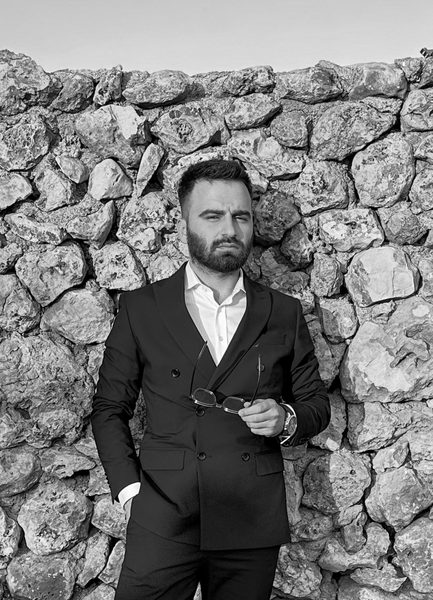
Founder of BTL WORKS. Istanbul × Dubai. Boutique studio approach to clinic social media — strategy + content + paid media from one source. Healthcare-focused, regulation-aware. Full bio at /en/founder/.
Frequently asked questions
What is clinic social media management?
The strategic planning of a clinic's or physician's presence on platforms like Instagram, TikTok, YouTube, and Facebook, including content production, paid media management, and patient communication. Not just content creation; strategy + content + paid media + continuity treated as one.
Which is the most important platform for clinics?
Instagram is the most important platform for clinics in Türkiye. TikTok is rising. YouTube is critical for long-term authority. LinkedIn for B2B physician relationships. Platform priority changes by clinic type.
How much content should a clinic produce per month?
There is no fixed number. On average a clinic produces 8-12 Reels, 15-20 posts, and 30-40 stories per month. Quantity-first clinics produce mediocre volume; quality-first clinics produce stronger patient effect with less.
How does clinic social media stay compliant with TDB regulation?
Avoid prohibitive language, comparative advertising, price advertising, patient-face-based marketing. Every piece of content passes through a regulatory filter before going live.
How is success in clinic social media measured?
Real metrics for clinics: profile visits, save rate, qualified messages, appointment conversion rate, new patient count. Follower count alone is misleading.
What is the surgeon's role in content production?
The surgeon is the central character, not behind the curtain. But the surgeon's time is limited; content production is structured through monthly planned on-location shoots requiring minimal surgeon involvement.
Reels or post, which is more effective?
Reels for new patient reach, posts for depth with existing followers, stories for daily touch. Each format has its own role.
What to look for when choosing a clinic social media agency?
Five critical questions: 1) Healthcare specialization. 2) Knowledge of TDB and TTB regulation. 3) Single point of contact or multi-team handoffs. 4) Template or bespoke strategy. 5) Content and paid media bundled or separate. A boutique studio approach typically delivers healthier outcomes than a conventional fragmented agency.
Looking for an integrated social media partner for your clinic?
Istanbul × Dubai. Boutique studio, strategy + content + paid media from one source. Healthcare-focused, regulation-aware. Deep expertise in dental, aesthetic, and dermatology clinics.
Get in touch →